

PERGOLAS
Pergolas are structural and architectural elements that serve as protective elements for all types of outdoor spaces, from patios to facades and pedestrian areas. They are generally simple structures that, unlike roofs, use infill in the form of profiles made of various materials that allow sunlight and air to pass through. Combined with climbing plants and varieties of vines, they become semi-natural roofs that bring greater freshness to the areas where they are installed.
These structures are similar in functionality to trellises, porches, and gazebos, which also serve to cool areas used for relaxation in residential and commercial spaces. Below are the main characteristics of pergolas:
Main characteristics of pergolas
– The main characteristic of pergolas is the infill they use as a roof. These are generally profiles installed along the length or width of the frame formed over the structure’s columns. These elements have gaps that make the pergola a type of semi-open roof.
– These are structures that are generally installed independently of any other structure, but can also be integrated into any building, whether residential or commercial. It’s common to see pergolas installed on walls or using existing concrete columns as bases.
– They are built with any type of durable material. Traditionally, wood has been widely used, but materials such as steel and aluminum alloys are now widely used thanks to their corrosion resistance and durability with low maintenance.
– They are compatible with any type of custom design. They combine perfectly with polycarbonate sheets, glass panels, and any artificial protection element apart from classic organic vines.
– For pergolas made with aluminum profiles, the available finishes are varied, ranging from white lacquer and natural anodizing to black and bronze anodizing.
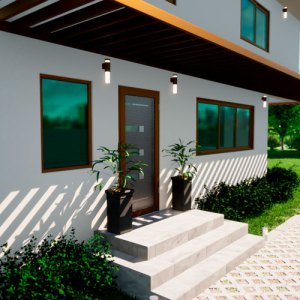

Types of pergolas
The general classification of pergolas largely depends on the type of material used for their construction and the area in which they are installed. Regarding the materials used, concrete, steel, aluminum, and wood are the most common. These materials allow the installation of pergolas in almost any space thanks to their physical and chemical properties. Therefore, they are ideal materials for products that require a long lifespan. Regarding location, it is common to use pergolas on patios, terraces, porches, sidewalks, and areas with frequent traffic. Everything depends on the project and its design and functional requirements.
Therefore, if we talk about pergola types in general, there are two types: those made with heavy materials and those made with lightweight materials. Both types offer the capabilities to suit any space where they are installed. Therefore, they can be independent models or dependent on an adjacent structure. The choice of one type or another will be limited by the overall weight required for the structure, the project’s dimensions, budget, and the aesthetic finishes that each material can provide.
What is the best material for a pergola?
The choice of material or materials for the construction of a pergola depends primarily on the structure’s physical characteristics and weather resistance requirements. Location, climate, and proximity to corrosive or polluting environments play an important role in this decision. Added to this are the financial and aesthetic factors that govern the desired design.
To begin with, we have two types of materials available for this type of structure: various types of wood or metallic materials, whether steel or aluminum alloys. For the former, well-treated wood has good durability, although wear and tear, as it’s an organic material, will show over time. It’s a good option for projects that require a more retro or natural touch, if you will. With a good protective coating and constant maintenance, it’s a good choice.
In the case of metals, they are an excellent option, providing increased durability and high resistance to corrosion and various weather conditions and harsh environments. Stainless steel and 6000 series aluminum alloys are the appropriate options for these structures.
We recommend pergolas made with 6063-T5 aluminum alloy profiles. The structures are strong, durable, and come in a variety of finishes that won’t wear over time. They blend with any space and are easy to install, requiring few additional accessories.
Cleaning and maintenance of pergolas
Cleaning pergolas made with aluminum profiles is simple. Like any corrosion-resistant metal surface, aluminum doesn’t require any special cleaning products. Cleaning these structures generally begins with a simple removal of any dust that may be present on the surfaces. Then, with a mixture of warm water and soap, the formal cleaning is carried out, and finally, the final step is rinsing. It’s that simple.
The only thing you should keep in mind when cleaning a pergola is that the weather is favorable and the area surrounding the structure is clear. Remember that cloudy days are best for cleaning outdoor metal surfaces. For any additional information you might need regarding cleaning tips, be sure to visit our blog.